
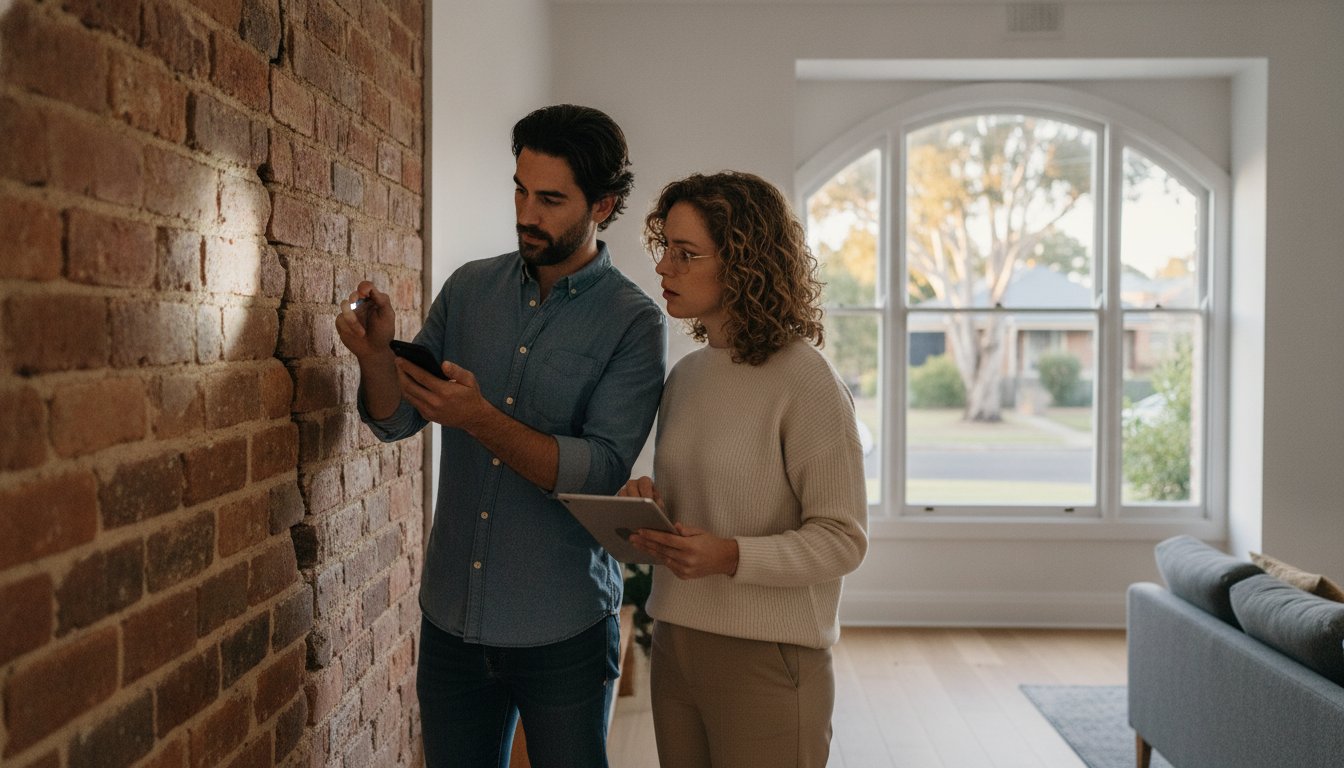
You're standing in a beautifully renovated cottage in Long Gully, picturing where your furniture will go, but a tiny crack near the cornice makes you wonder if you're looking at a dream home or a potential "lemon". It's a common feeling in the high-pressure Bendigo market, where the excitement of a Saturday open house often clashes with the deep-seated fear of making a costly mistake. We understand that the technical jargon in building reports can feel like a foreign language, and the rush of a private sale doesn't always leave room for calm reflection.
Discovering the hidden problems to look for when buying a house is the best way to regain your confidence and protect your future. Whether it's the $35,000 cost of restumping original timber foundations or the legal restrictions of the June 2026 Heritage Overlay updates, knowing what's beneath the surface can save you thousands. This guide provides a clear 15-minute checklist to use during inspections, helping you move from a state of uncertainty to the peace of mind that comes with expert regional guidance. We'll explore structural red flags, local soil conditions, and the regional "secrets" that only a dedicated Central Victoria specialist can uncover.
Key Takeaways
- Learn how to identify physical warning signs like "staircase" cracking in brickwork and sticking doors that often signal significant foundation or sub-floor movement.
- Understand how Bendigo’s unique gold mining history and reactive clay soils can impact your property’s long-term stability and future resale value.
- Identify the critical hidden problems to look for when buying a house so you can confidently walk away from a poor investment or negotiate with total clarity.
- Master a practical due diligence plan that separates manageable repairs from genuine deal breakers, helping you stay calm and in control during high-pressure sales.
Critical Structural Red Flags to Spot During an Open House
Walking through a home on a busy Saturday morning can be overwhelming. You often have less than 15 minutes to decide if a property is a sound investment or a financial burden in disguise. While it's easy to be distracted by a fresh coat of paint or a sun-drenched deck, you must train your eyes to spot the hidden problems to look for when buying a house before you sign a contract.
To help you identify the most serious issues during your walk-through, take a moment to watch this guide on property deal breakers:
Start your inspection on the outside. Look for "staircase" cracking in the brickwork, where cracks follow the mortar lines in a stepped pattern. This often signals significant foundation movement caused by Bendigo’s reactive clay soils. Inside, pay attention to the "feel" of the floors. If they feel "springy" or bounce when you walk, or if doors stick stubbornly in their frames, you may be looking at failing timber stumps or sub-floor dampness. Scan the ceilings and cornices carefully; fresh paint patches in these areas are frequently used to hide active water ingress or roof leaks. Finally, trust your nose. A musty, earthy smell in cupboards or back bedrooms is a classic sign of rising damp, a common and costly issue in older local cottages.
Foundation and Sub-floor Integrity
Distinguishing between cosmetic "settling" cracks and genuine structural failure is a vital skill for any buyer. While hairline cracks are common as a house ages, gaps wider than five millimetres usually suggest the ground is shifting. Understanding what is a home inspection? can help you appreciate how professionals measure these risks. Always step back and look at the "line" of the roof from across the street. If the ridge line sags or the gutters appear wavy, it could indicate compromised roof trusses or significant foundation sinkage that requires immediate attention.
Plumbing and Electrical Warning Signs
Don't be afraid to test the home's vitals. Turn on the shower to check the water pressure; a weak flow often points to old, corroded galvanised pipes that are nearing the end of their life. While you're at it, check the base of the hot water service for rust or pooling water. In the hallway or kitchen, locate the switchboard. You want to see modern safety switches (RCDs) rather than old ceramic fuses. Upgrading an outdated electrical system isn't just a matter of convenience; it's a critical safety requirement for modern living.
Hidden Regional Risks: Mining Overlays and Bendigo Soil
Bendigo’s rich gold-mining heritage is part of its soul, but for a buyer, it can represent one of the most significant hidden problems to look for when buying a house. Many properties in the region sit atop historic mine shafts or within Mining Overlays. These aren't just trivia points; they can restrict your ability to build an extension or a shed, and they may require specialised engineering for any future construction. It's essential to check the prospecting maps because what looks like a solid backyard might have a history that complicates your future plans.
Soil quality is another regional factor that catches many off guard. Suburbs like Strathfieldsaye are known for highly reactive clay soils. This soil expands and contracts significantly with moisture levels, which can put immense pressure on slab-on-ground homes. If you aren't careful, you might find yourself dealing with structural shifting that a simple cosmetic fix won't solve. Additionally, you must consider Bushfire Attack Levels (BAL) in our bush-adjacent suburbs. A high BAL rating doesn't just mean more safety requirements; it can lead to a sharp increase in insurance premiums and the cost of any future renovations. In areas like Kennington or Central Bendigo, Heritage Overlays also play a role, limiting your ability to modernise a facade or change the character of the streetscape.
The Importance of the Section 32 Statement
The Section 32, or "vendor’s statement", is your most powerful tool for clarity. It reveals the "unseen" legalities, such as unpaid council rates, easements that might block your dream pool, or historical land use that could affect soil health. Before you fall in love with a property, having your solicitor review this document is essential to moving from doubt to certainty. If you're feeling overwhelmed by the paperwork, an investment property pre purchase assessment can provide the expert regional guidance you need to make an informed choice.
Pests and Termite Activity in Central Victoria
In our warm climate, termites are a reality rather than a rarity. Given Bendigo’s dense vegetation and older housing stock, professional termite protection is non-negotiable. During an open house, keep an eye out for "mud tunnels" along the sub-floor or a hollow sound when you tap on timber door frames. These small signs often point to larger, more expensive issues hidden within the walls. Protecting your investment means looking beyond the surface and ensuring the home's skeleton is as healthy as its facade.

Moving from Uncertainty to Certainty: Your Due Diligence Plan
Buying a home in Central Victoria is a significant financial milestone, but the high-pressure environment of auctions and private sales can leave you feeling exposed. The key to maintaining control is a structured due diligence plan that separates manageable repairs from genuine deal breakers. By identifying the hidden problems to look for when buying a house early in the piece, you transform from an anxious observer into a confident buyer who knows exactly what they're signing up for.
Start by engaging an independent building and pest inspector who specifically understands Bendigo’s architectural history. A local expert knows that a 1920s Californian Bungalow in California Gully faces different risks than a modern build in Huntly. When you receive the report, don't let the technical jargon overwhelm you. Instead, divide the findings into "deal breakers", such as active termites or foundation failure, and "negotiation points", like outdated gutters or minor cosmetic cracks. This distinction keeps your emotions in check and gives you the leverage to negotiate a fair price or walk away from a bad deal with your deposit intact.
Don't hesitate to ask the real estate agent direct questions about the vendor’s reason for selling and the property’s maintenance history. While the agent represents the seller, a professional local figure will value transparency and provide honest context that helps you build a clearer picture. Finally, always perform a thorough final inspection a few days before settlement. This ensures no new issues, like a burst pipe or a broken heating system, have appeared since the contract date, giving you total peace of mind before the keys are handed over.
The Professional Inspection Framework
It's rare to find a perfect house; even brand-new builds often have minor defects that need addressing. Use your building report as a tool for clarity rather than a reason to panic. If you're still in the early stages of your search and want to understand which areas offer the best long-term value, Finding the Best Houses for Sale in Bendigo provides an excellent starting point for identifying quality suburbs that suit your lifestyle.
Leveraging Local Agency Expertise
In a volatile market, a stabilising force can make all the difference to your experience. An authentic, regional specialist can provide the personal attention required to navigate complex titles, heritage overlays, or soil reports. If you're looking for specialised support to evaluate a potential home, an Investment property pre-purchase assessment can help you move forward with professional integrity and local insight.
Protecting Your Investment with Confidence
Buying a home in Bendigo doesn't have to be a journey filled with anxiety. By learning how to spot staircase cracking, understanding the impact of historic mining overlays, and sticking to a disciplined due diligence plan, you've already taken the most important steps toward a secure purchase. Whether you're examining the ridge line of an older cottage or reviewing a complex Section 32, your focus on the details will pay dividends for years to come.
Identifying the hidden problems to look for when buying a house is significantly easier when you have a local partner by your side. With over 17 years of local industry expertise, our independent, family-owned agency is here to provide the expert regional guidance you deserve. We are specialists in Central Victoria residential property who believe in quality of service over volume. If you're ready to transition from doubt to certainty, Book a free pre-purchase assessment with our Bendigo experts today. You've got the tools and the checklist; now it's time to find a home that truly stands the test of time.
Frequently Asked Questions
What is the most expensive 'hidden problem' to fix in a house?
Foundation failure and extensive structural damage are typically the most expensive hidden issues to rectify. In the Bendigo region, restumping an older home with original timber stumps can cost between $15,000 and $35,000 depending on the scale of the property and the ease of access. When you add the potential costs of repairing internal plaster damage and realigning doors, the total bill can escalate quickly, making it a critical area to investigate before you commit.
Do I really need a building inspection for a brand-new home in Bendigo?
Yes, a professional building inspection is essential even for brand-new homes to identify construction defects that aren't visible to the untrained eye. While a new build in a suburb like Huntly might look perfect, there can be hidden problems to look for when buying a house such as non-compliant drainage or slab heave caused by reactive soils. Catching these early ensures the builder rectifies the issues under warranty before they become your financial responsibility.
What should I ask the real estate agent about the property's history?
You should ask the agent about the property's maintenance history, the reason for the sale, and if any recent structural repairs have been carried out. It is also wise to ask specifically about the presence of mining overlays or heritage restrictions that might not be immediately obvious in the marketing materials. Getting these details helps you understand the context of the Section 32 statement and reveals how the home has been cared for over the years.
How do I know if a crack in the wall is a serious structural issue?
A serious structural issue is often indicated by cracks wider than five millimetres or those that follow a "staircase" pattern through brickwork. While small hairline cracks are often just a sign of the house settling, larger gaps or cracks that appear suddenly after heavy rain suggest significant ground movement. If you can fit the edge of a ten-cent piece into the crack, it's time to seek a professional assessment to ensure the foundations are stable.


